
HB 60 First Substitute Water Rights Amendments: A Threat to the Great Salt Lake
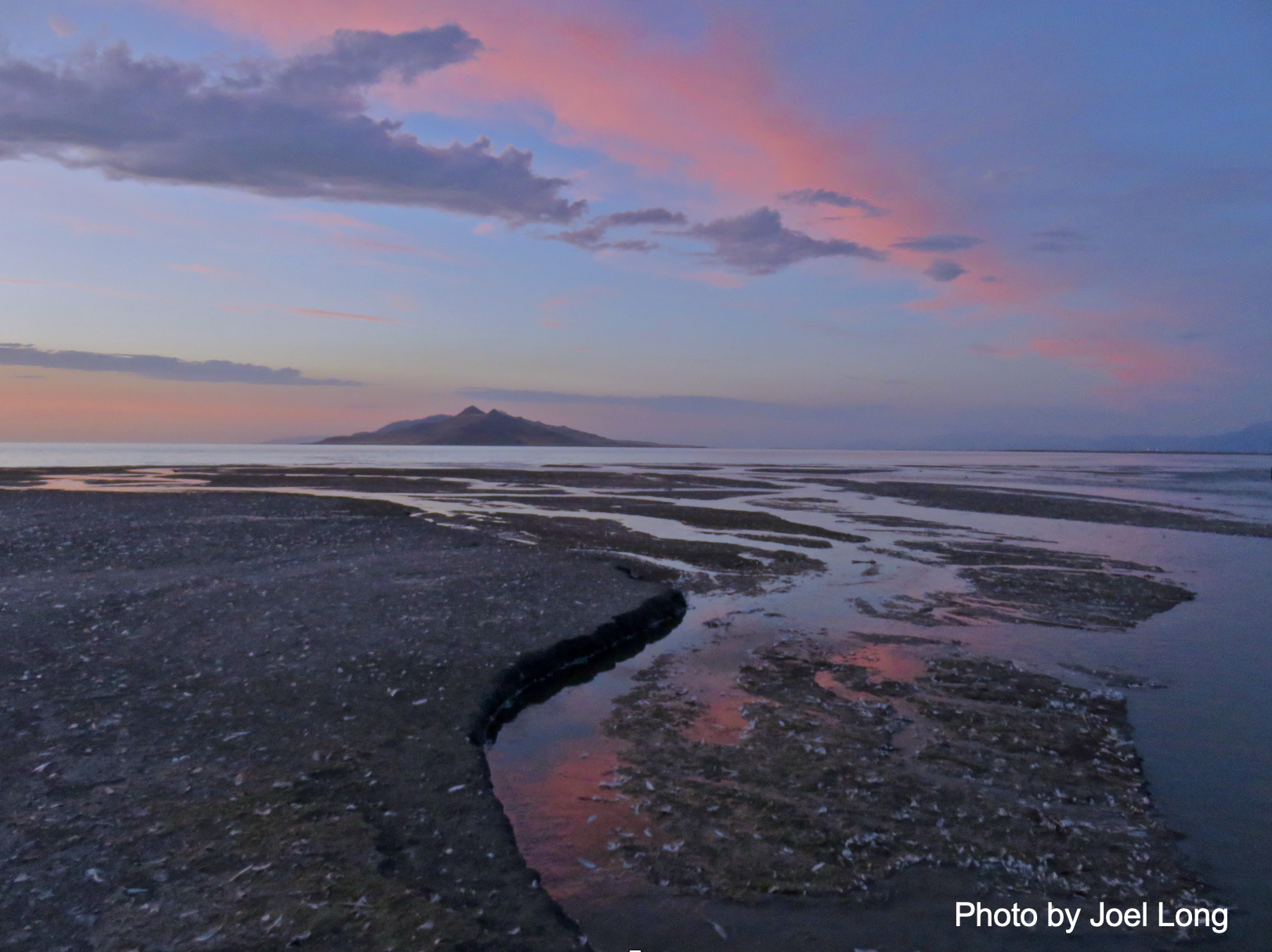
Executive Summary: Impact of HB 60 on the Great Salt Lake
The Bottom Line: HB 60 creates a dangerous fiscal paradox: The state is spending millions in taxpayer dollars to "save the lake" on one hand, while on the other hand the Utah Legislature is signing away the regulatory authority necessary to prevent the very overconsumption draining it. State officials and the Great Salt Lake Strike Team have confirmed that the lake’s long-term decline is driven primarily by water overconsumption, with 65% of Utah’s water going to agriculture and 27% to municipal and industrial. HB 60 First Substitute dismantles the State Engineer’s ability to manage this finite supply. By prioritizing narrow technical approvals over consideration of the broader public interest, this bill fast-tracks industrial water depletion while the existential health of Utah’s primary ecosystem is legally sidelined.
Key Critical Failures
Erasure of Public Trust Oversight: The bill removes "Public Welfare" as a criterion for review. This prevents the State Engineer from addressing the root cause of the lake’s decline—human overconsumption—by ignoring how new diversions impact the total watershed.
The Standing Barrier: By requiring "particularized injury," HB 60 bars citizens from having standing to challenge the very overconsumption that creates regional threats like toxic lakebed dust.
The "Negligible Harm" Loophole: This promotes "death by a thousand cuts." While one project might seem "negligible" in isolation, the cumulative impact of hundreds of reallocations is precisely what is draining the lake.
The Three "Choke Points" of HB 60
1. The "Particularized Injury" Barrier (Section 73-3-14)
· The Change: Codifies a strict standing requirement, requiring a "personal, distinct injury" to challenge a water permit.
· The Impact on GSL: Ecosystem collapse is a collective crisis. Even though the drying of the Great Salt Lake creates a "generalized" harm (e.g. toxic dust affecting the entire valley, loss of the critical avian migratory routes), individual citizens may lose the standing to sue.
· In practice: Parley’s Canyon Quarry: This project sits directly in the Salt Lake City watershed. Under HB 60, residents concerned about the quarry’s impact on local water quality or dust suppression would likely be told their health concerns are too "general" to merit a day in court.
2. The Technical Gag Order (Section 73-3-8)
· The Change: Restricts the State Engineer’s review to narrow technicalities: Quantity, Quality and Availability.
· The Impact on GSL: This is a legislative blindfold. Since 65% of Utah's water is currently used for agriculture, the State Engineer must be able to weigh the public welfare when that water is reallocated.
· In practice: Joule Data Center Project (Millard County): This project seeks to change 10,000 acre-feet of water from agricultural to industrial use. Under HB 60, the State Engineer would be legally required to ignore the "big picture" impact of this massive shift on the Great Salt Lake’s feeder basins, focusing only on whether the pipes can move the volume.
3. The "Negligible Harm" Clause
· The Change: Mandates approval if the harm to public welfare is deemed "negligible" compared to the proposed industrial benefit.
· The Impact on GSL: This provides a legal shield for the incremental draining of the lake. State officials have noted that indoor conservation isn't enough—we must address total consumption. This clause allows large-scale water depletion to hide behind the guise of "negligible" individual impact.
Conclusion
HB 60 First Substitute treats Utah’s water as a series of isolated commercial transactions rather than a shared, finite life-source. By removing the Great Salt Lake from the "Public Welfare" equation, the State is essentially abandoning its commitment to the Lake's recovery in favor of immediate corporate expansion. As the Deseret News highlights, the lake's future is "in our hands"—but HB 60 effectively ties those hands, forbidding the State Engineer from looking at the very crisis we are tasked to solve.
About the Utah Citizens’ Counsel: The Utah Citizens’ Counsel is a non-partisan group of senior community advocates committed to analyzing and improving public policy for the benefit of all Utahns.